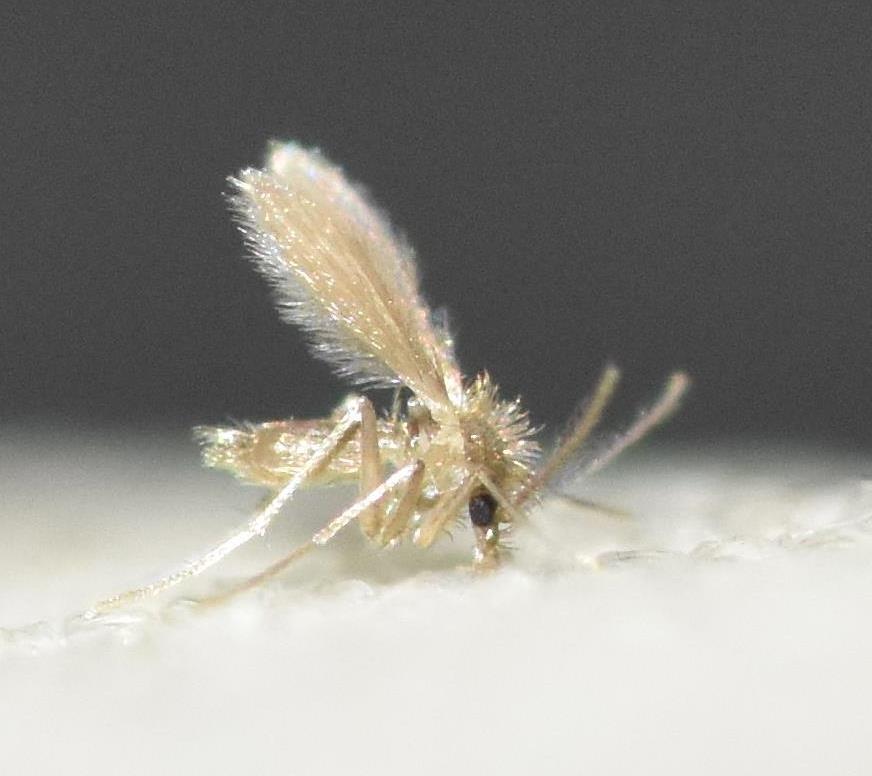
Sand flies are small flying insects with a greyish body
The first published studies on Sri Lankan sand fly fauna were undertaken by Annandale in 1910, who reported the presence of two species, Phlebotomus argentipes and Sergentomyia zeylanica. Further, Theodor (1938) reported on the presence of two other species, P. stantoni and S. arboris. Later Carter & Antonipulle (1949) reported on the presence of S. punjabensis from Northern most parts of Sri Lanka. Lane et al. (1990) has also made some contributions to understanding the distribution of sand flies in Sri Lanka. After these studies, Sri Lanka remained a neglected area of interest by scientists regarding the sand fly fauna until very recently.
Phlebotomine sand flies (Diptera: Psychodidae) are a widely distributed group of medically important insects responsible for the transmission of protozoan parasites as well as some arbo-viral infections among human and animals. Approximately, a total of 1000 species of sand flies have been reported so far around the world under tropical, temperate and dessert climatic conditions. All these species have been classified under six genera including the New World Brumptomyia, Lutzomyia, and Warileya and Old World Phlebotomus, Chinius, and Sergentomyia.
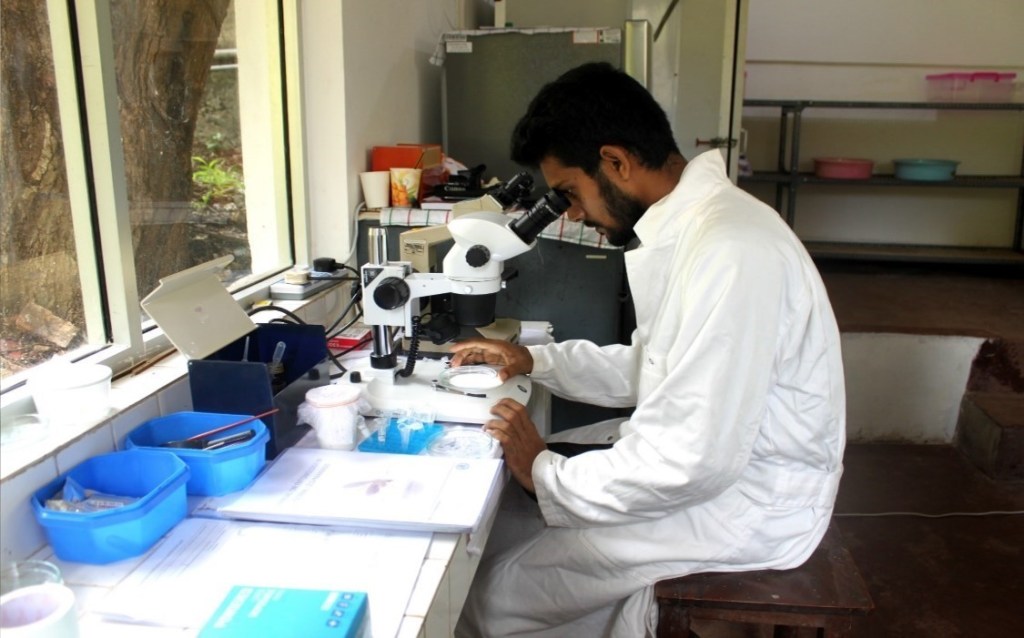
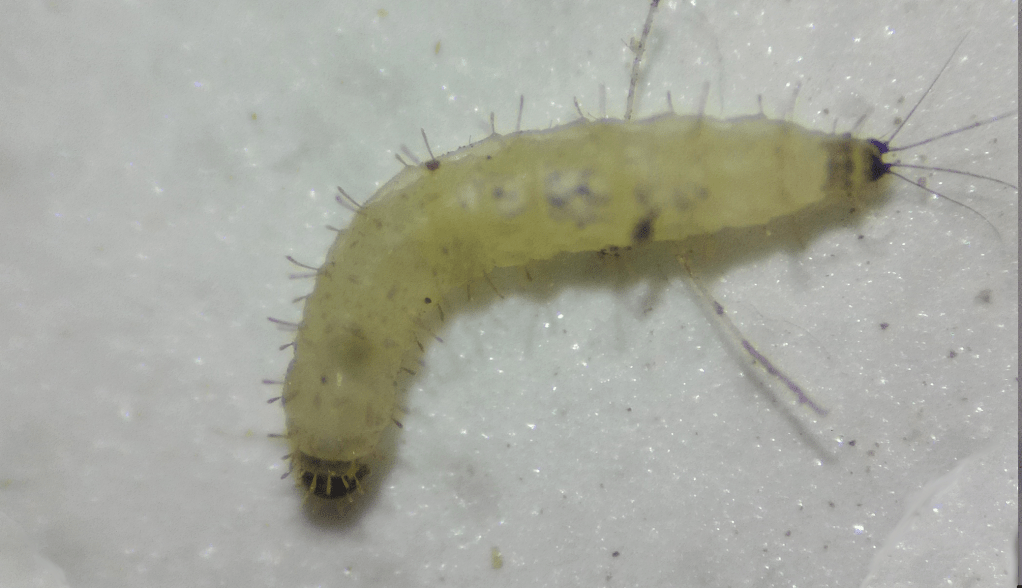
My work was focused on the establishment of a colony of sand flies in the laboratory, study of biological and bionomic characteristics of sand flies, morphological and molecular characterisation of Sri Lankan sand fly fauna, and determination of infection rates of sand flies in the wild.


 tharakawijerathna.com