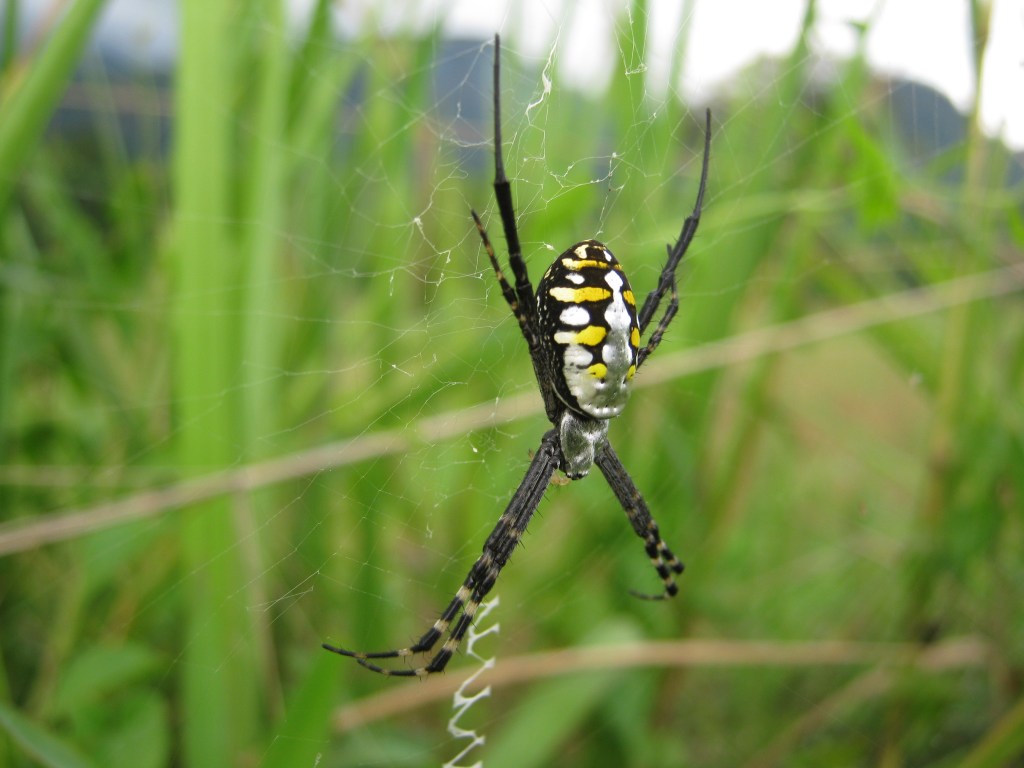
Loss and fragmentation of rain forests have led to serious implications on the survival of many species, often leading to population decline, or sometimes local extinction. Spiders are key inhabitants of rainforest ecosystems and, in ever changing tropical landscapes, their response to habitat change would be an important factor in deciding their fate. Web building spiders rely solely on their webs to entrap prey. Architectural and other properties of the web would therefore be expected to have a strong influence on the efficiency of prey capture. Limited evidence from captive studies has demonstrated that spiders alter web properties in response to changes in environmental conditions. Some reported facts of interest are as follows: web size is influenced by the intensity of hunger such that starved spiders build larger webs than satiated spiders microclimatic conditions around the web influence mesh sizeproperties of the silk thread vary with changes in prey availability Accordingly, we would expect habitat change, from forest to nonforest, to bring about changes in web properties of the rainforest spiders.
The spiders are a highly diverse group of Arthropods with a total of 48, 464 species in 4,144 genera and 120 families around the world. Current list of Sri Lankan spider fauna consists of more than 600 species belonging to 294 genera and 50 families. A total of 17 genera and more than 311 species are endemic to the country.
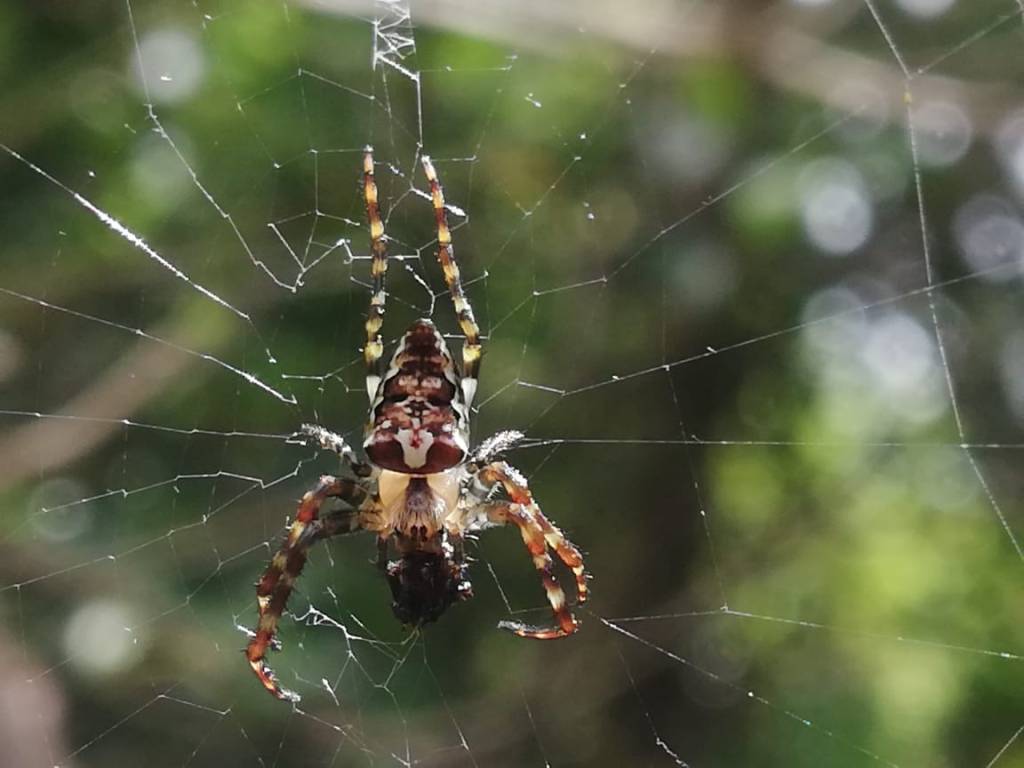

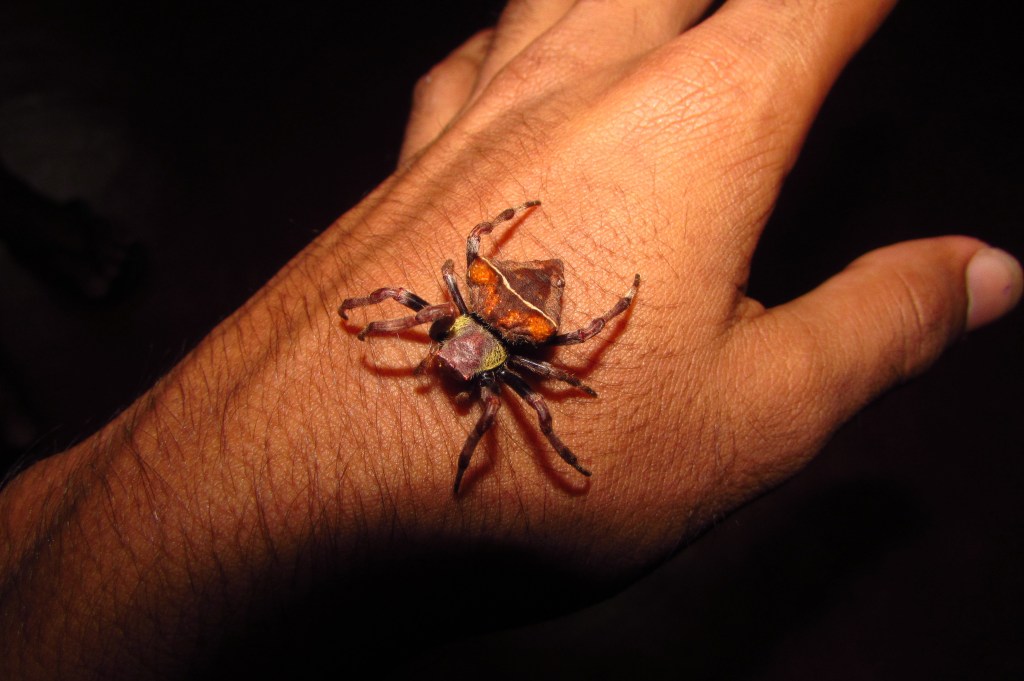

My studies were focused on how the habitat disturbance affect the web architecture of orb weaver spiders as well as how the community structures of orb weavers differ under different environmental conditions.
 tharakawijerathna.com